

Why the Audio Note SORO Deserves Your Attention
The Audio Note OTO needs little introduction. It has become one of the best-known expressions of Audio Note’s (UK) approach to single-ended valve amplification. The SORO is less frequently discussed, yet after living with its top version for more than two years, we would argue that it deserves a lot of attention. Dare we say, it is one of our favourites...
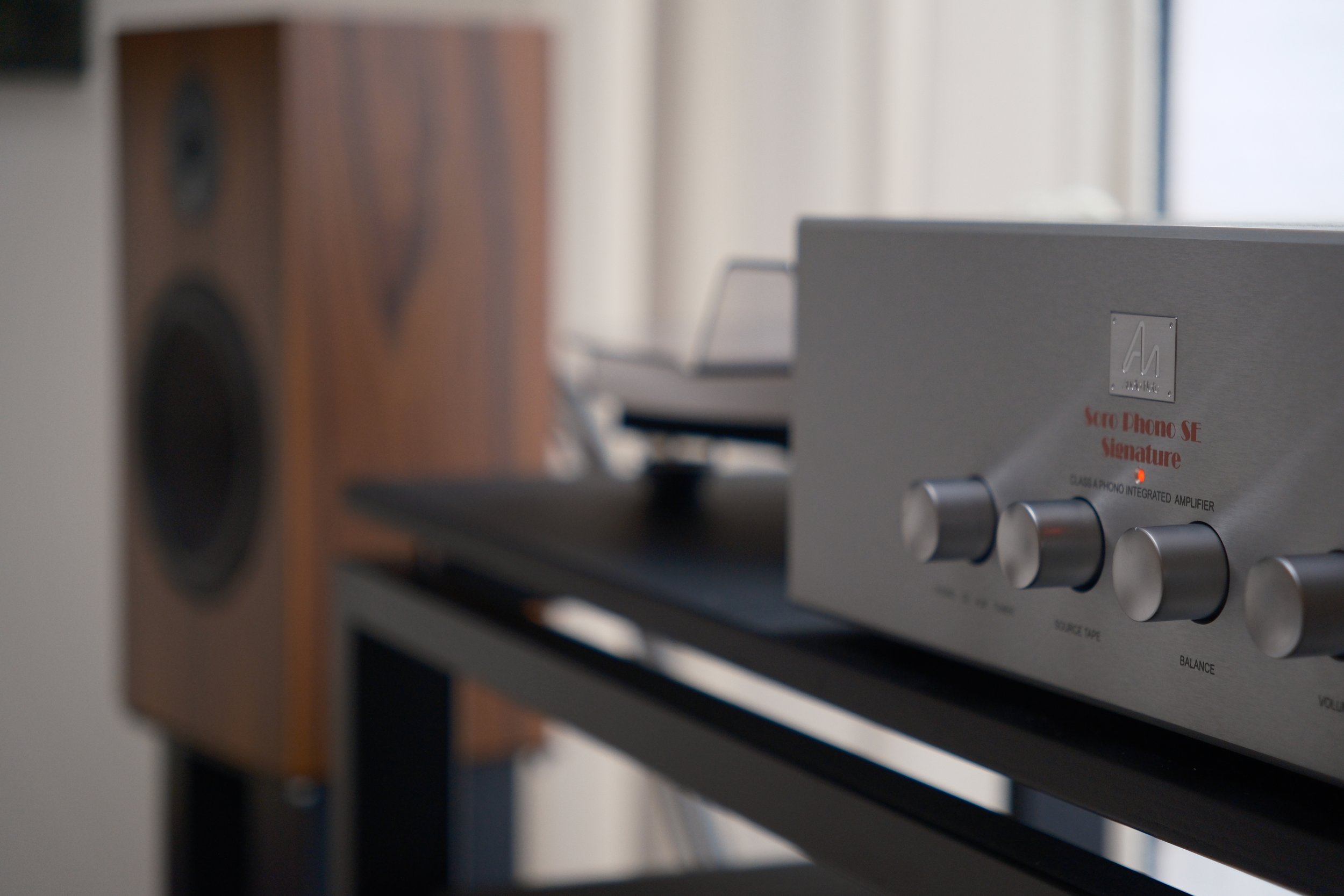
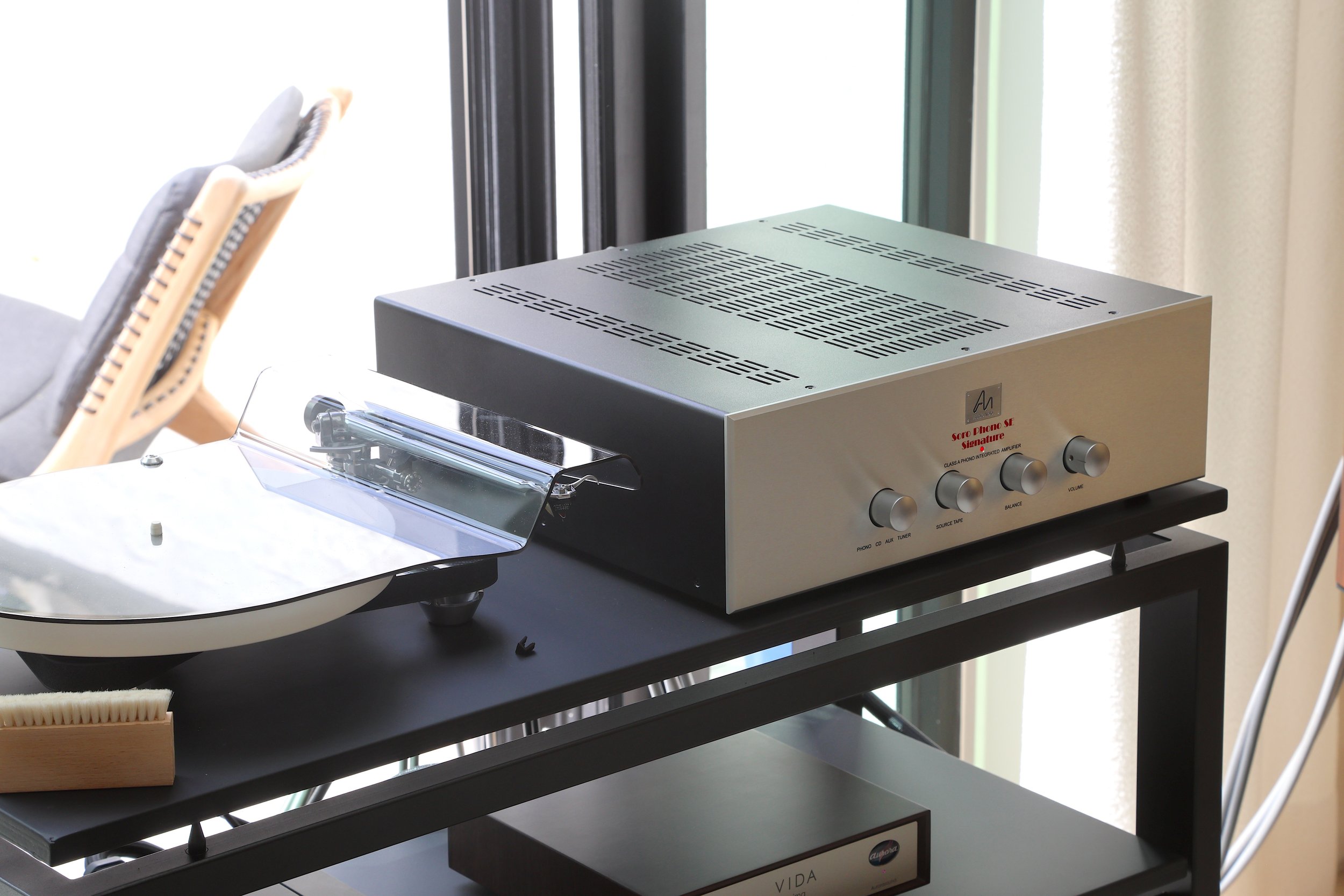
The amplifier we currently use is the SORO Phono SE Signature, the highest specification of the SORO. In simple terms, the Signature version takes the standard SE design and upgrades some of the components used in the most critical parts of the circuit, such as copper-foil capacitors and tantalum resistors, together with Audio Note’s custom IHiB output transformers.
The circuit
The SORO Phono SE Signature is a Pure Class A, Single Ended Pentode integrated amplifier. Its output stage uses four 5881/6L6WGB valves, while the line stage employs an ECC82 and two 6SL7 valves. The phono version adds an ECC83 and ECC88 to the valve complement. Audio Note uses separate power supplies and transformers for the output stage and the remaining circuitry, while the custom output transformers are designed and manufactured by Audio Note itself.
The architecture is straightforward by modern standards, but it is precisely the sort of circuit in which implementation matters. The single-ended output stage preserves the immediacy and transparency that we associate with this topology, while the SORO's 18 watts per channel give it a little more headroom than the OTO. Its 4- and 8-ohm outputs also make it a natural partner for a wide range of high-efficiency loudspeakers.
SORO Phono SE Signature — specifications
Design: Pure Class A, Single Ended Pentode
Output power: 18 W RMS per channel
Load: 4 or 8 Ω
Line input impedance: 100 kΩ
Phono input impedance: 47 kΩ
Line sensitivity: 300 mV
Phono sensitivity: 3 mV
Channel balance: ±0.3 dB
SE valve complement: 1 × ECC82, 2 × 6SL7, 4 × 5881/6L6WGB
Phono valves: 1 × ECC83, 1 × ECC88
Dimensions: 140 × 440 × 410 mm
Weight: 16 kg
Specifications according to Audio Note (UK); specifications are subject to change.
A sound of its own
We have used the SORO for more than two years, with a wide variety of loudspeakers. It is one of those amplifiers that, after living with it for this length of time, we would not want to see leave the system.
Its sound is difficult to reduce to a familiar Audio Note formula. Yes, it has the transparency and immediacy that one expects from a Single Ended design, but there is more power and a different balance to the presentation than with the OTO. The SORO has its own voice.
With the Supravox ALIZEE, and particularly with the Tonapparate Yonna and Model 55, the combination is exceptional. The SORO's tonality is right where we want it: colours are natural and beautifully differentiated, yet the amplifier does not impose a soft or slow character on the music. Dynamics are allowed to develop freely, and there is a sense of life to the presentation that keeps drawing you into the performance.
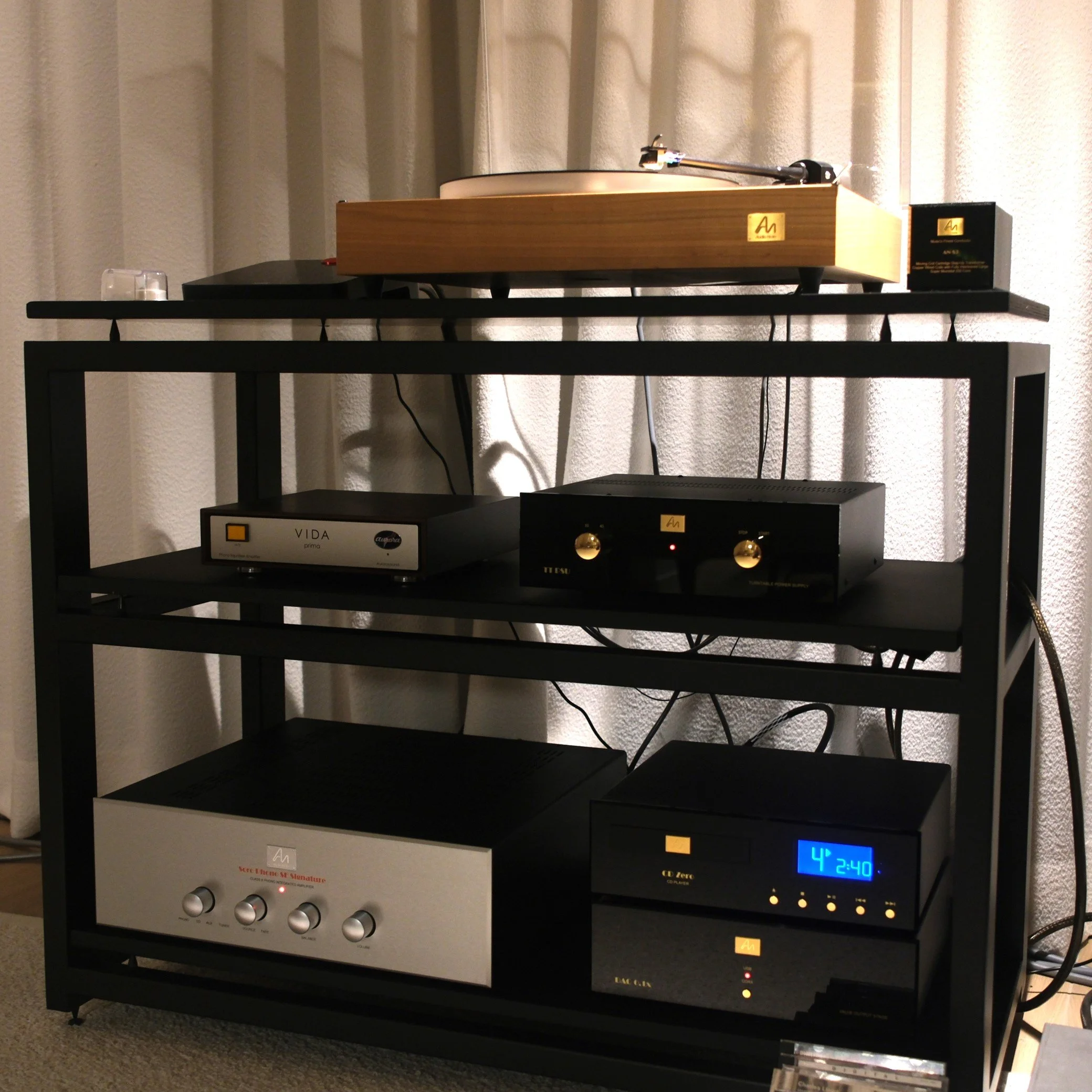
The SORO also produces surprisingly plentiful deep bass for a single-ended valve amplifier. This is one area where the Signature's upgraded output transformers make themselves felt. Audio Note specifically attributes the extended and controlled bass of the SE Signature to its custom IHiB transformers, and this corresponds closely with what we hear in our system.
The pairing with the Tonapparate Model 55 is particularly convincing. For someone who wants to explore the Audio Note sound but does not have the budget for an Audio Note JINRO, this combination deserves serious consideration. It has the coherence and immediacy associated with single-ended amplification, but enough authority to make the presentation feel complete.
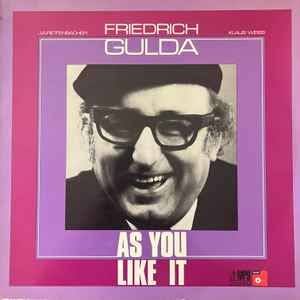
One recording that illustrates this particularly well is Friedrich Gulda's As You Like It, the 1970 MPS jazz recording made in Villingen. Through the EMT 928II, the SORO and Tonapparate Model 55s, Gulda's piano sounds remarkably real — immediate, physical and almost tangible in the room. The attack of the keys, the weight of the instrument and the subtle shifts in dynamics are reproduced with such natural presence that the recording seems to lose the distance normally associated with a vintage recording.
The OTO may be the better-known brother. After more than two years with the SORO, however, we are convinced that the other brother deserves a place of his own.